Five details that narrow the choice
Choosing a bus means choosing an entire service. A small vehicle may fit the headcount while bags, journey length or multiple stops make another class more suitable. Prepare one brief covering the busiest movement, route, luggage, frequency and comfort.
- Passengers per direction, not just the daily total
- Large bags, cabin bags and equipment
- Stops and available boarding time
- One-off trip, recurring schedule or contract
- Individual seats, lounge or special equipment
What separates the classes?
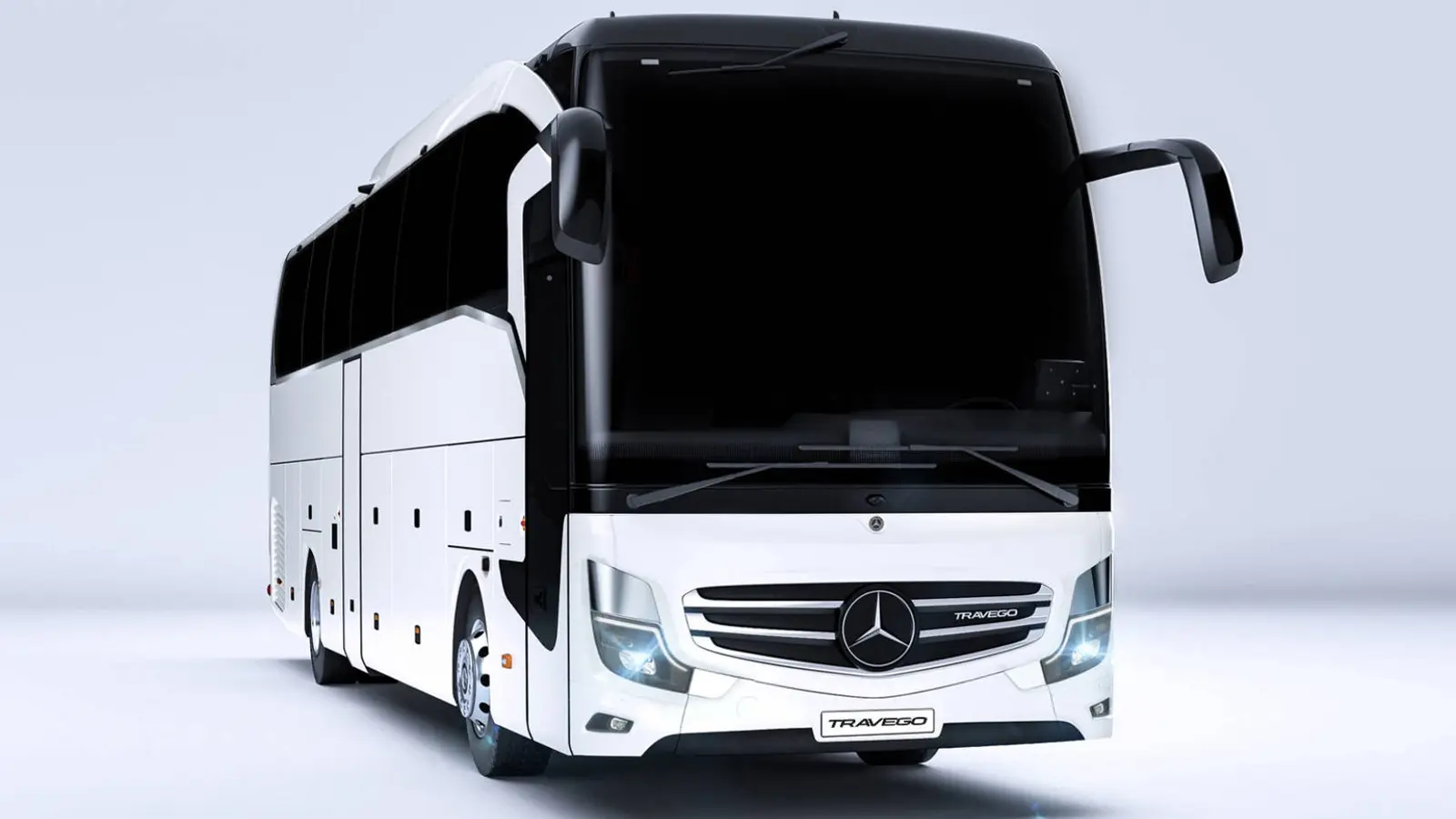
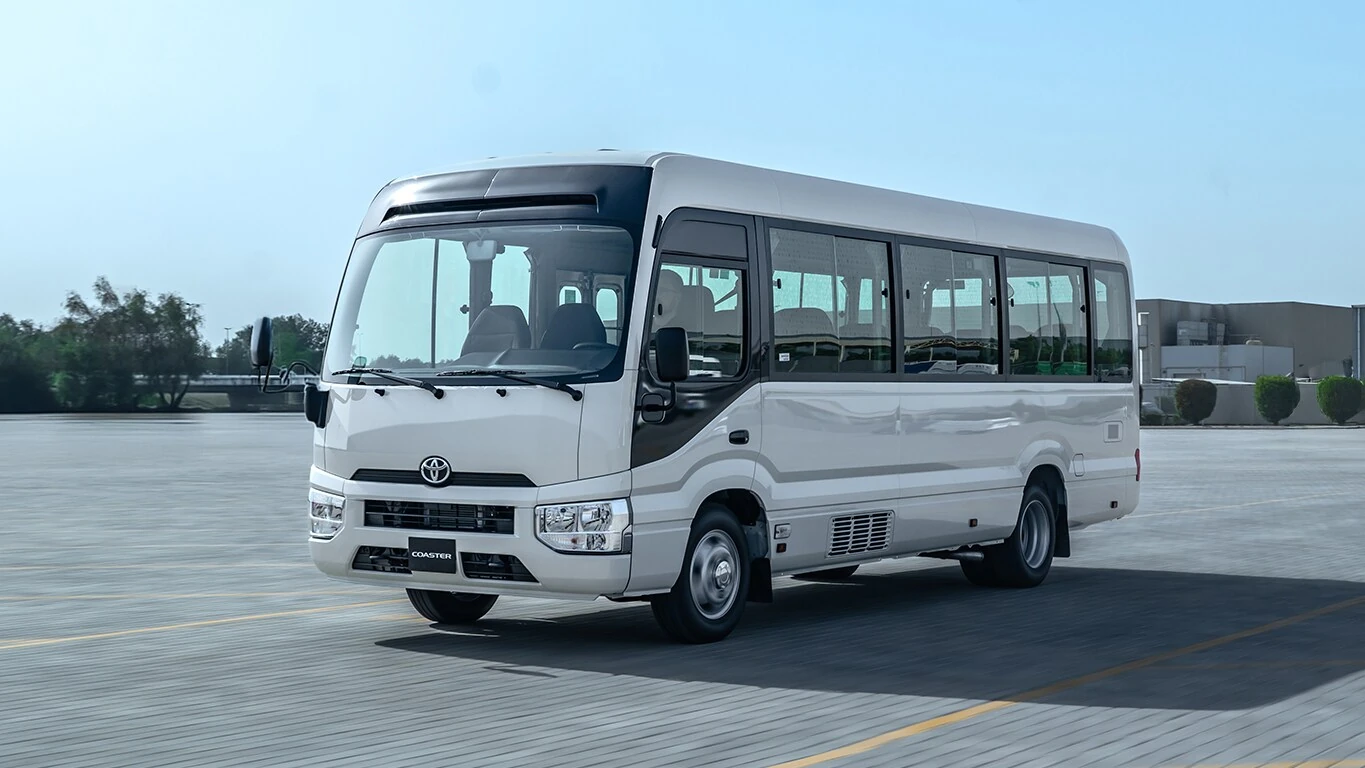
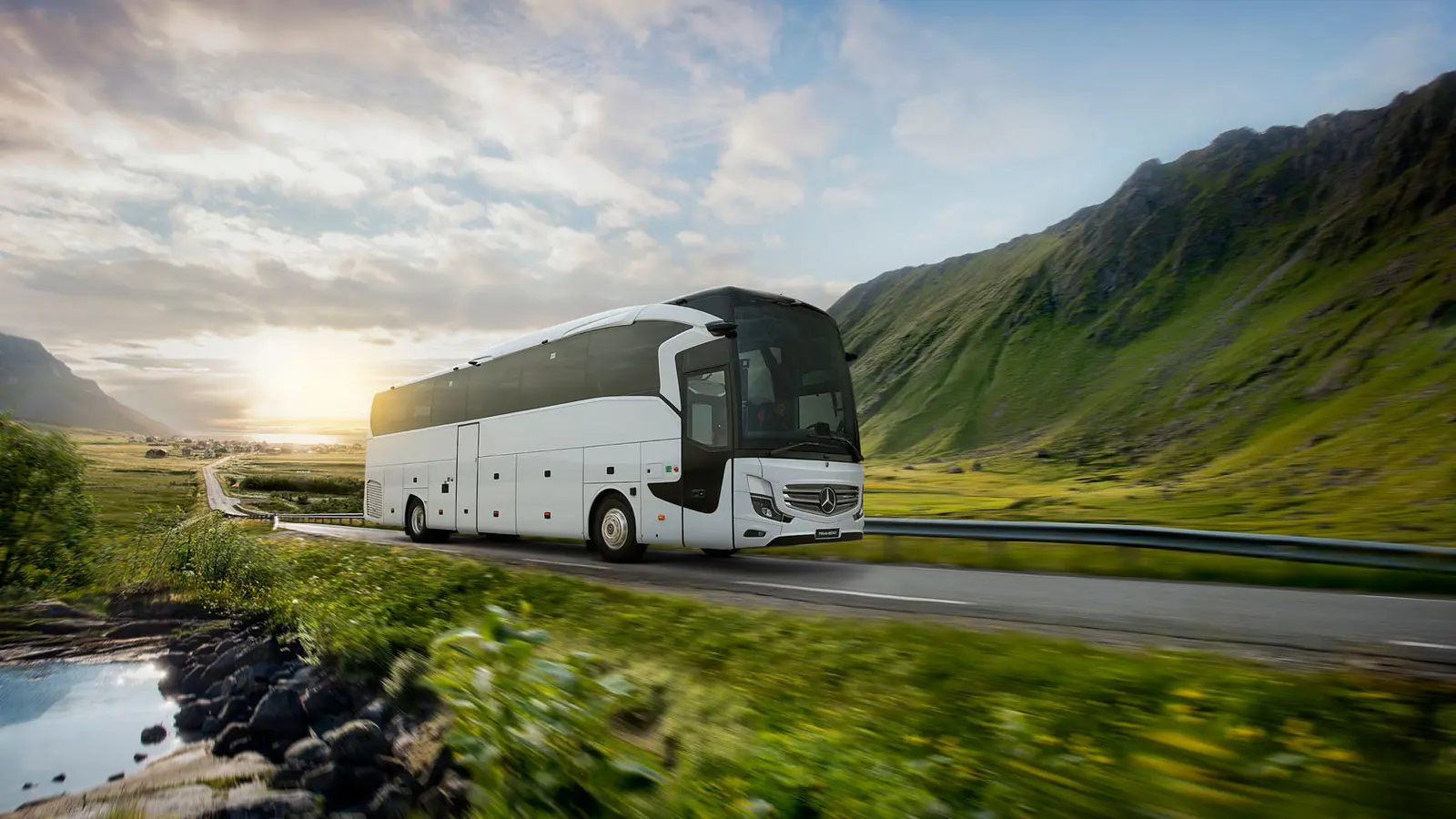
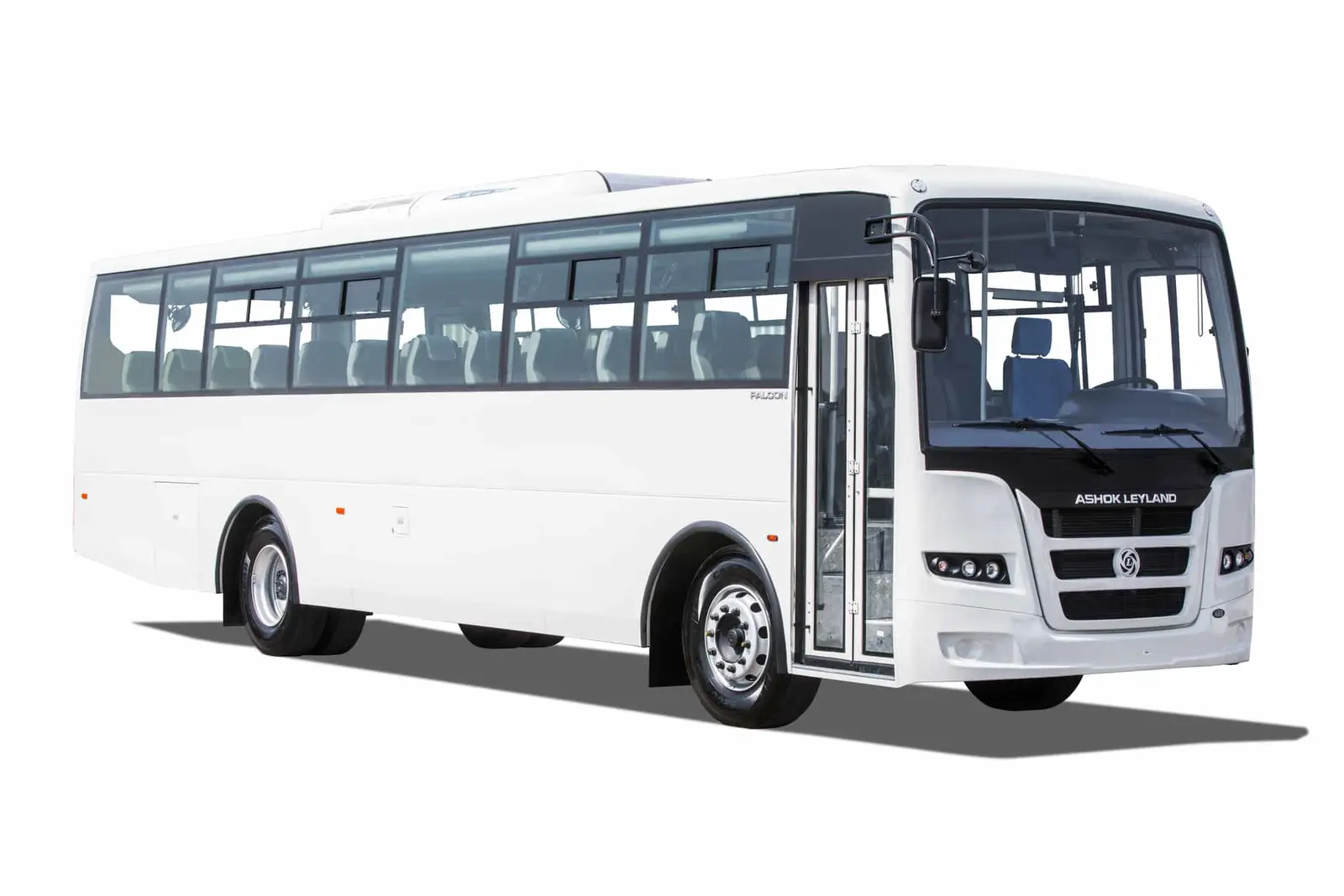
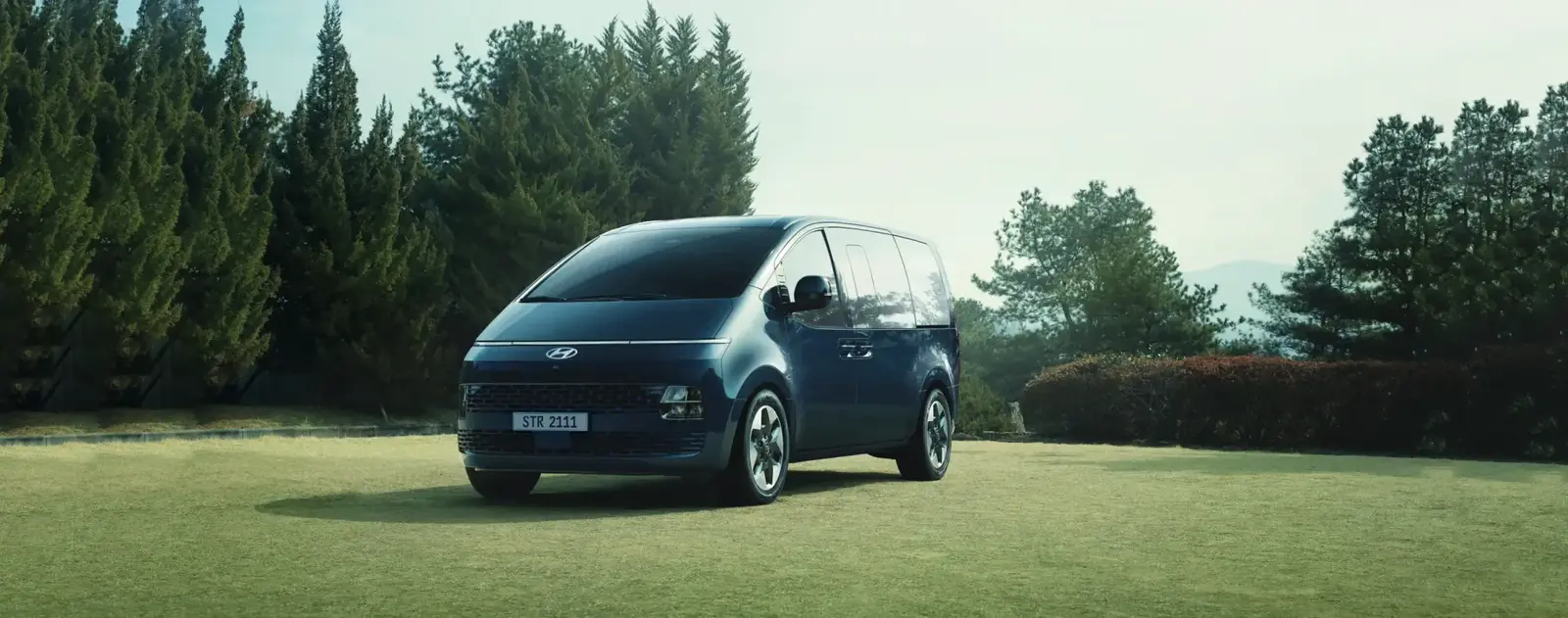
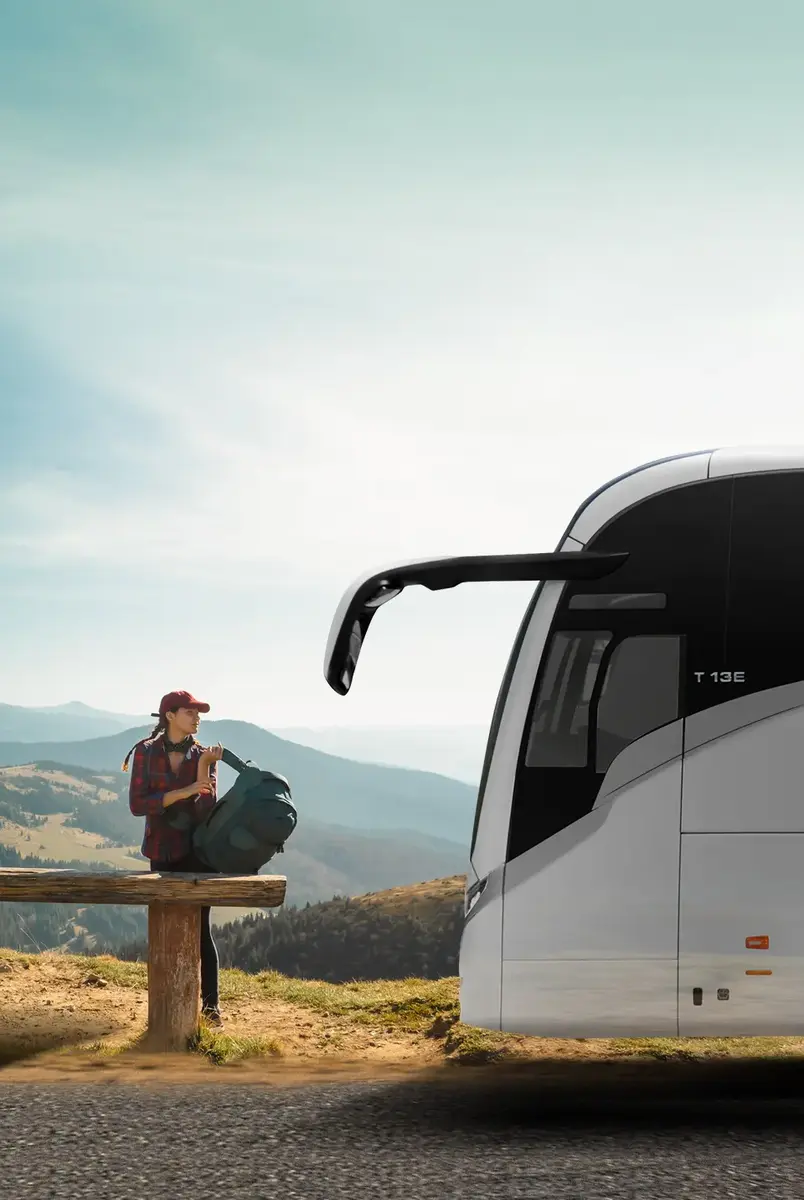
Vans suit smaller groups and flexible routes. Mid-size buses balance capacity and maneuverability. Touring coaches suit larger groups, road time and luggage. Staff-bus classes focus on site and shift movements. These are comparison categories; actual model and specification determine the final fit.
Registered seating is not luggage space
Separate passenger seats from luggage room. Some manufacturer counts include the driver, and layouts can add or remove seats. A count shown in an advert or photo may not match the proposed vehicle. Request passenger capacity excluding the driver, luggage arrangements and a layout image when needed.
Compare two vehicles on the same scope
A lower headline price is not enough. Compare hours, distance, days, fuel, driver scope, waiting and charges. Ask about replacement, changes and additional work where relevant. Then compare cabin experience and boarding, so the decision is between two clear solutions.
Example: the same headcount, two different needs
Consider 18 people taking a short daily transfer without travel bags. A mid-size bus could be the starting point, after its actual passenger capacity is confirmed. If the same group instead needs an airport pickup with large suitcases, the question changes: where will the bags go with the seats occupied? A luggage-bay coach or a different vehicle arrangement may deserve comparison. For several hours on the road, add legroom, seat design and rest stops to the decision. The example does not select a particular vehicle or provide a price. It shows why the headcount starts the discussion while the journey completes it.
A six-part selection sheet
Write down the requirements before contacting the team and leave unknown details as questions. You do not need to know model names to make a good enquiry: describe the group, route, timing and bags clearly. Use the comparison to remove unsuitable options, then compare equal-scope offers. Put a decisive requirement, such as a luggage bay, a seating layout or site access, at the start of the message. This helps the conversation focus on an appropriate class before other parts of the proposal are agreed.
- Group: passengers and accompanying staff on the busiest movement, excluding the driver.
- Route: actual addresses, stops, direction and return.
- Timing: date, hours, waiting, duration and operating days.
- Luggage: bag counts, sizes and equipment needing separate room.
- Cabin: seating, required comfort and essential equipment.
- Offer: driver, fuel, mileage, charges, additional work and changes.