The model name starts the comparison
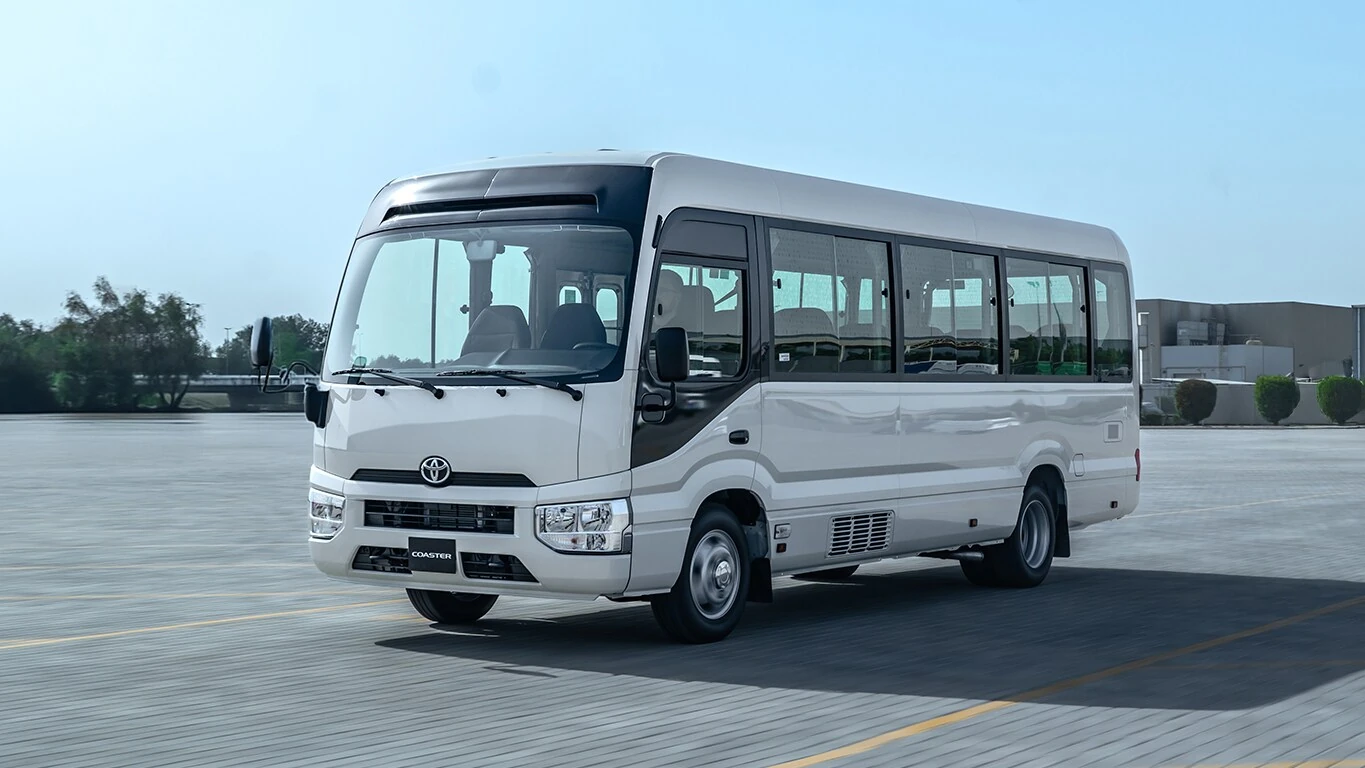
These classes combine mid-size dimensions with staff, visitor and group uses. Market, body length, model year and seat layout mean the model name alone is insufficient. Begin with passenger count excluding the driver, then request the configuration included in the offer.
Why do capacity figures differ?
The referenced Saudi Toyota grades list 20 people including the driver, or up to 19 passengers plus the driver. The Australian Rosa catalogue lists 22- and 25-seat layouts, while County configurations differ by body and seating. These are examples from different markets, not confirmation that OGAS has a particular configuration available.
Review the journey you will repeat
Employee routes emphasize boarding, stops, aisle space and peaks. Airport transfers prioritize bags. Longer tours give more weight to seating and legroom. The best class for the same group can therefore change with the service.
Four questions before confirmation
Collect the answers in a written offer, with images of the proposed vehicle or layout when possible. Equipment shown in a reference catalogue still needs confirmation.
- What is the passenger capacity excluding the driver?
- Where do bags go when all seats are occupied?
- What are the model year, climate and seating specifications?
- What are the hour, mileage and working-day limits?
Test three needs rather than ranking model names
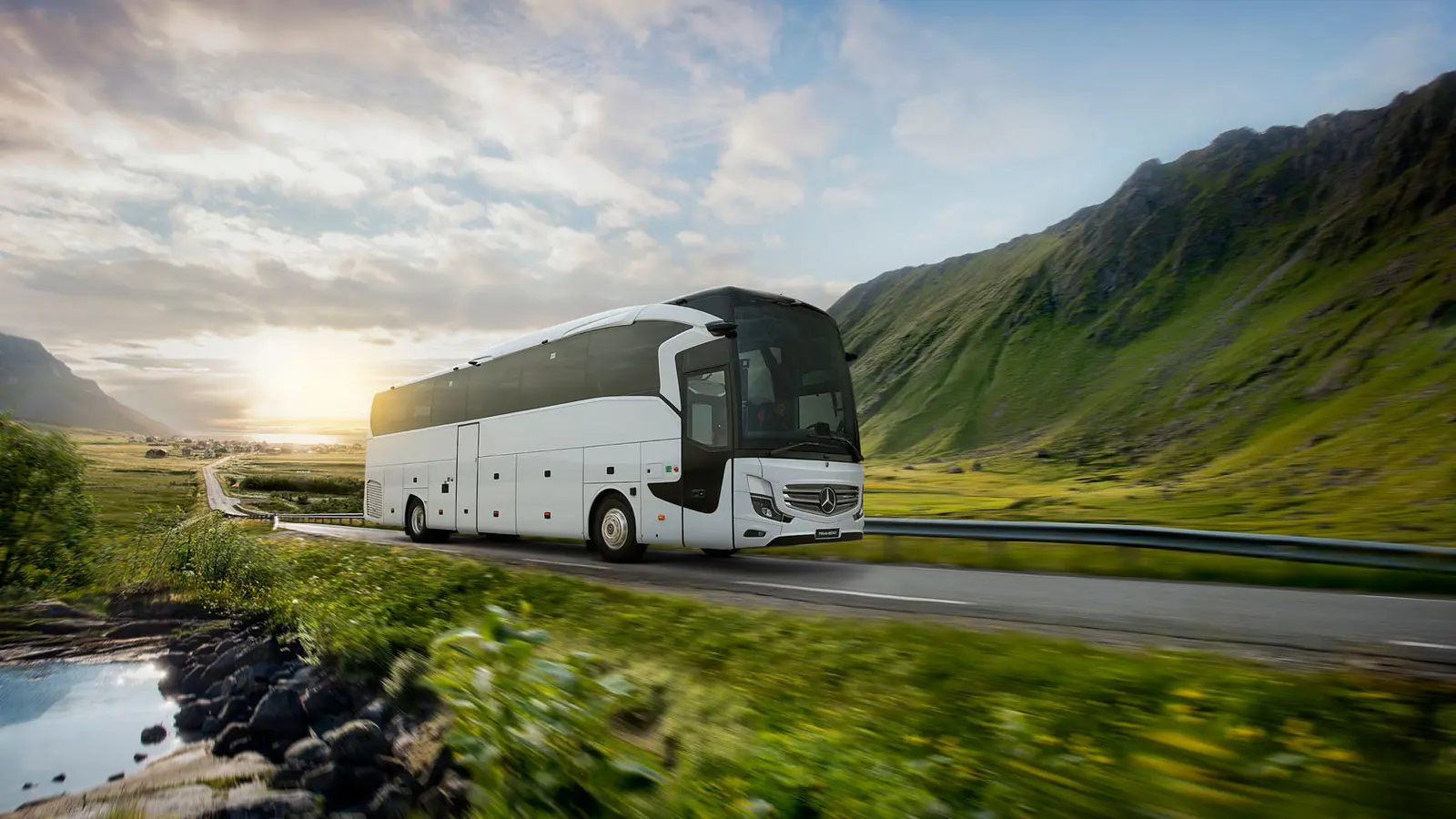
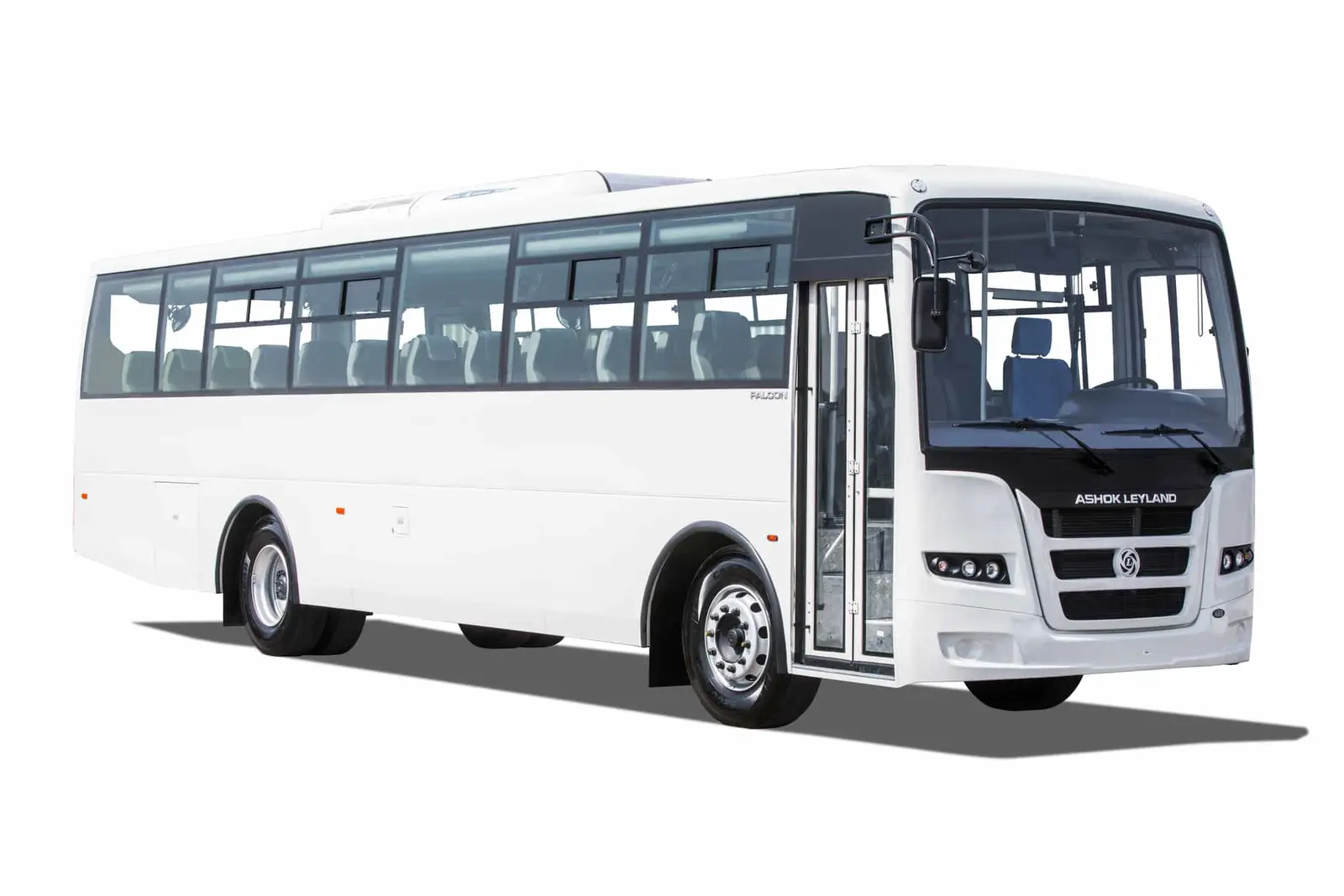
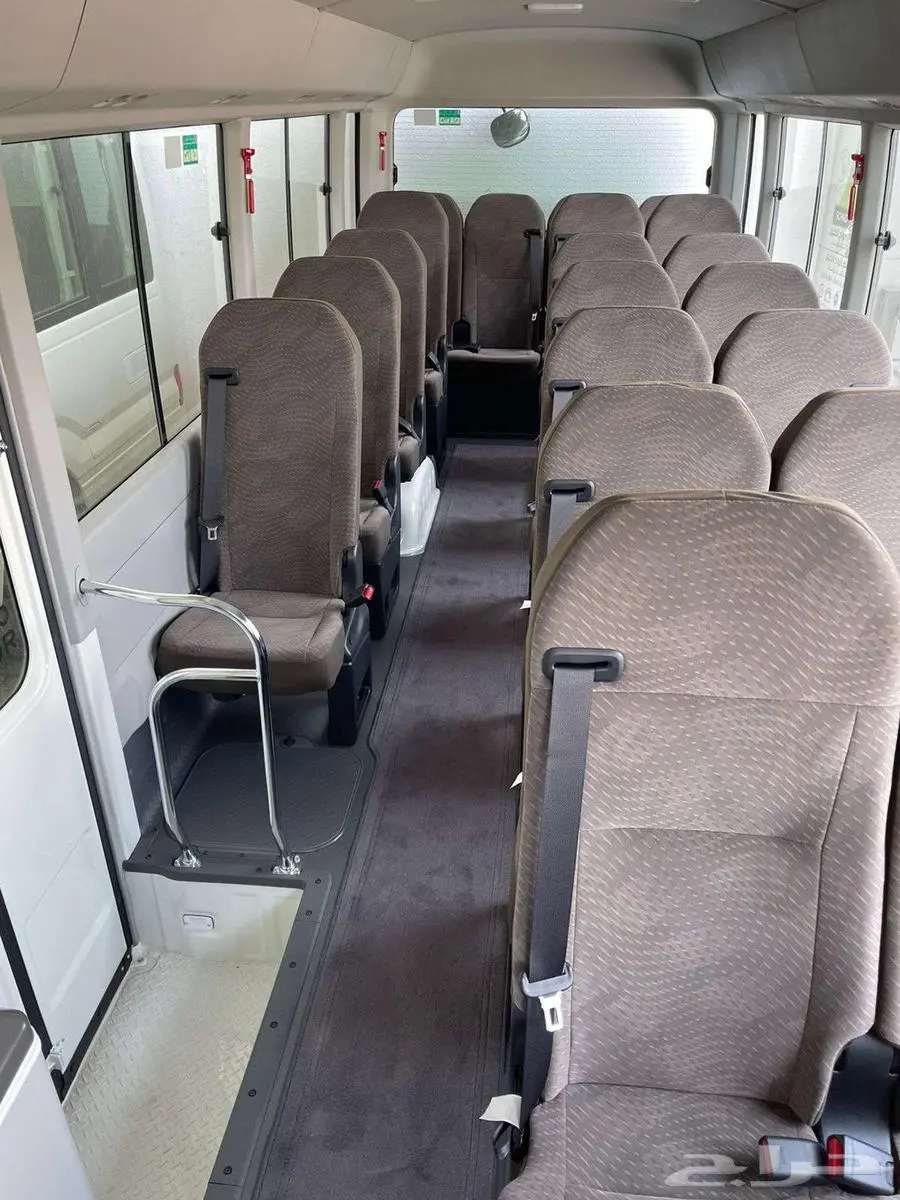
For a short employee route, begin with pickup points, timing and passengers per direction. For hotel or airport work, add bags and group meeting arrangements. For a longer visit, review seat comfort, aisle, climate and luggage placement. Two versions of one model may differ more for your use than two brand names, because configuration directly affects the journey. Also ask whether reference images show the proposed cabin or a version from another market. Use photos to understand which questions to ask, then confirm the actual specification. A useful comparison does not need a universal ranking that claims one model is best for every journey.
A comparison brief to send to providers
Create one row per proposal covering specification, duration and inclusions. If one includes fuel, a driver or more hours, record the difference rather than treating the offers as identical. An attractive cabin image should not replace basic operating details. If a seating number differs from a reference, ask about model year, market, layout and registration instead of inferring capacity from the body or an image. Once the answers are complete, choose the class that fits the itinerary and review the proposal before confirming.
- Passenger capacity excluding the driver, seat type and arrangement.
- Luggage space with the requested seats occupied.
- Hours, days, mileage and waiting in each offer.
- Required model year and actual proposed specification.
- Driver, fuel, charges and any additional equipment.
Sources & reading notes
These references informed this guide. The proposed vehicle, registration and market remain the basis for confirmation.