Write the complete itinerary
Define origin, destination, stops and return date. If the group stays in another city, clarify whether the vehicle is needed throughout or only for transfers. Include expected daily start and finish times.
Describe comfort concretely
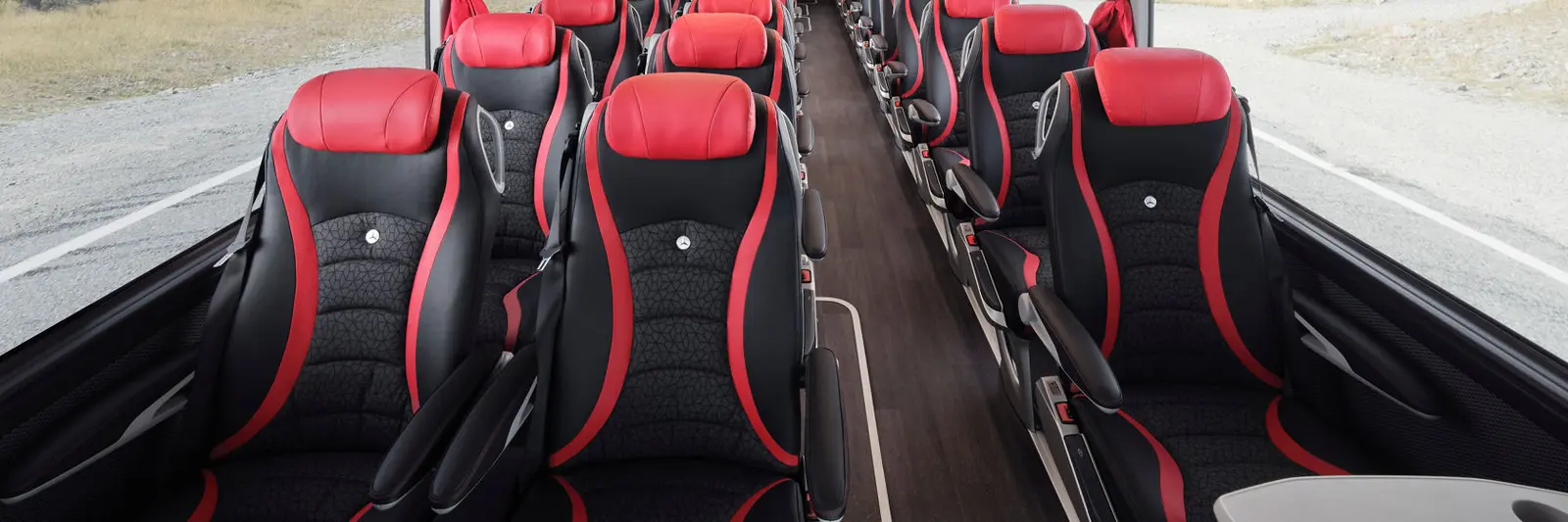
Discuss seats, legroom, climate control, bags and boarding rather than asking only for a comfortable bus. Screens, charging and a restroom require confirmation in the proposed vehicle specification.
Review stops, waiting and overnight arrangements
Stops, waiting and overnight stays affect the scope. Agree rest stops, route changes and inclusions. Allow time for group assembly, luggage loading and walking from the vehicle to the activity.
Before departure
Confirm meeting point, time, contacts, passengers and bags. Share the essentials clearly with the group and identify a coordinator. Review the vehicle and service scope with the team before departure.
An example of a two-day itinerary
For a two-day trip, include outbound stops and arrival time, then clarify local transfers before the return on day two. A vehicle dedicated throughout the program differs from two separate transfers. Add the overnight location and bus parking if known, and explain whether bags remain with the group or need a separate movement. You do not need every detail resolved before enquiring, but the full picture helps identify scope questions instead of discussing only the outbound journey.
What should the group know?
Once transport is agreed, prepare a short message with meeting point, time, coordinator and the planned luggage arrangement. Explain group allocation simply when there are several buses or stops. Share specific boarding or equipment needs early so class suitability can be reviewed. Good coordination does not require long instructions: organizer, passengers and team need the same information, with a clear update channel if the itinerary changes.
- Actual meeting point, assembly and departure times.
- Hotel or site, destinations and agreed stops.
- Group coordinator and change communication.
- Bag counts and equipment needing dedicated space.
- Return time and whether waiting is part of the program.